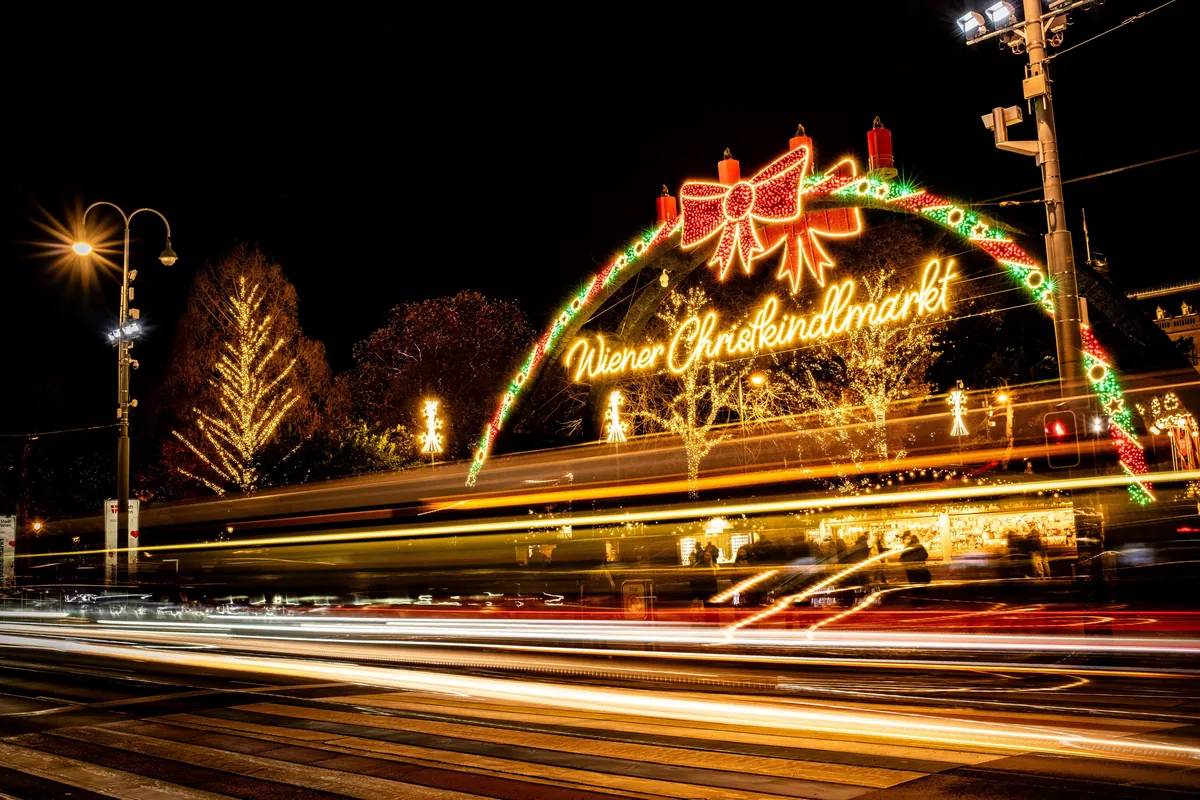

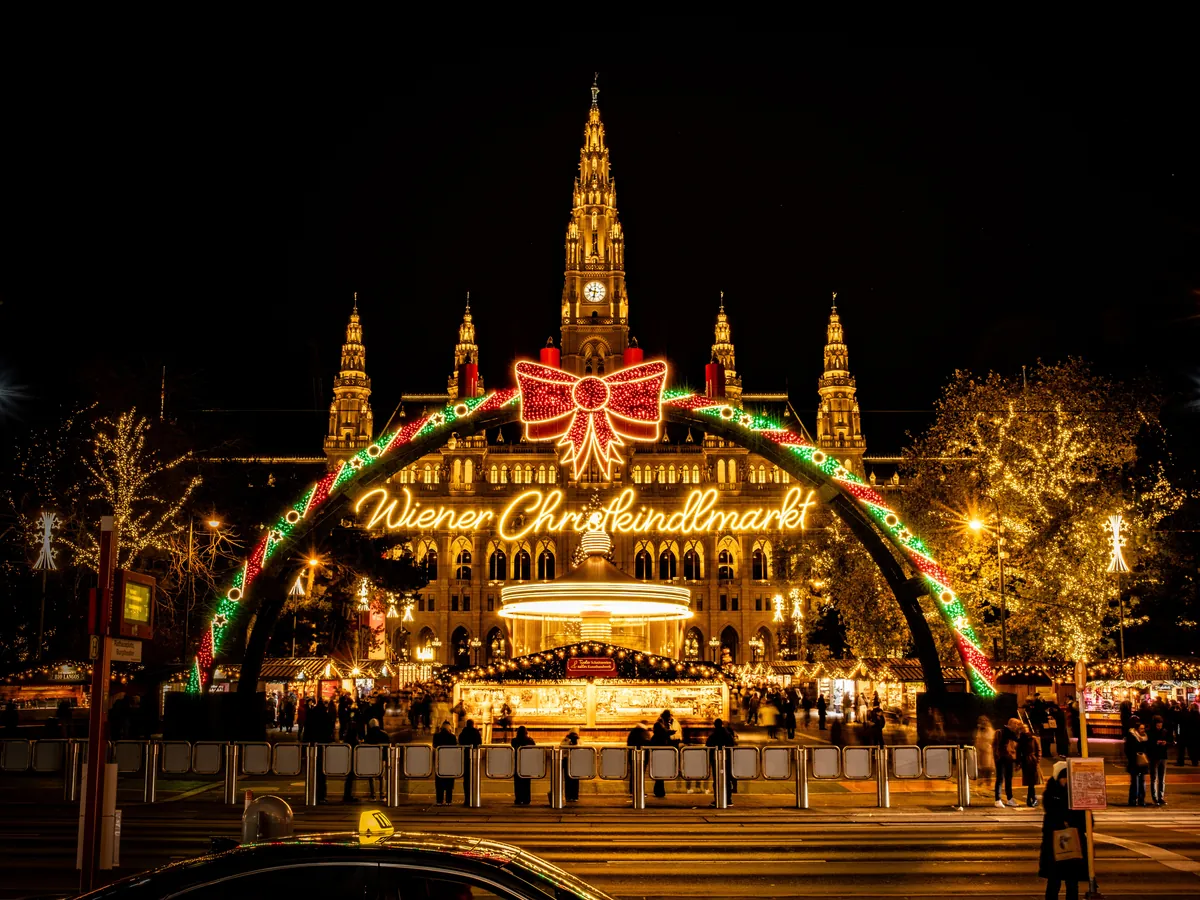

Christmas the Austrian way is Advent in Vienna and Salzburg: Christmas markets before the crowds, punch that is actually good, a Christmas concert in a church, and villages where December looks the way people imagine it. It runs from late November to December, and Avellera arranges it privately as part of a tailor-made journey.
By Clemens & Kamilla Sengwein-Réti, Co-Founders
Advent markets before the crowds, punch that is actually good, a Christmas concert in a church, and the villages where December looks the way people imagine it.
Private, arranged by Avellera as part of your tailor-made journey
Good to know
Frequently asked questions
What is the best way to experience Christmas in Austria?
Christmas the Austrian way gathers the best of Advent in Vienna and Salzburg: the markets before the crowds, punch that is actually good, a Christmas concert in a church, and villages where December looks the way people imagine it. Avellera arranges each element privately within a tailor-made journey, with timing that keeps you ahead of the busiest hours.
When should you visit Austria's Christmas markets?
Austria's Advent season runs from late November to December, which is when Christmas the Austrian way is offered. Visiting early in the season and early in the day keeps the markets calmer. Avellera plans the dates around market openings in Vienna and Salzburg, books a church Christmas concert, and adds a village or two where December feels traditional.
How do I add a Christmas market trip to Austria?
Tell Avellera your travel dates and wishes, and the Vienna team builds Christmas the Austrian way into a private, tailor-made journey through Vienna, Salzburg and Austria, together with hotels, transfers and guides. Book early, as Advent is a popular time to travel. Planning is free, and the online planner on avellera.com returns a personal trip idea and PDF right away.
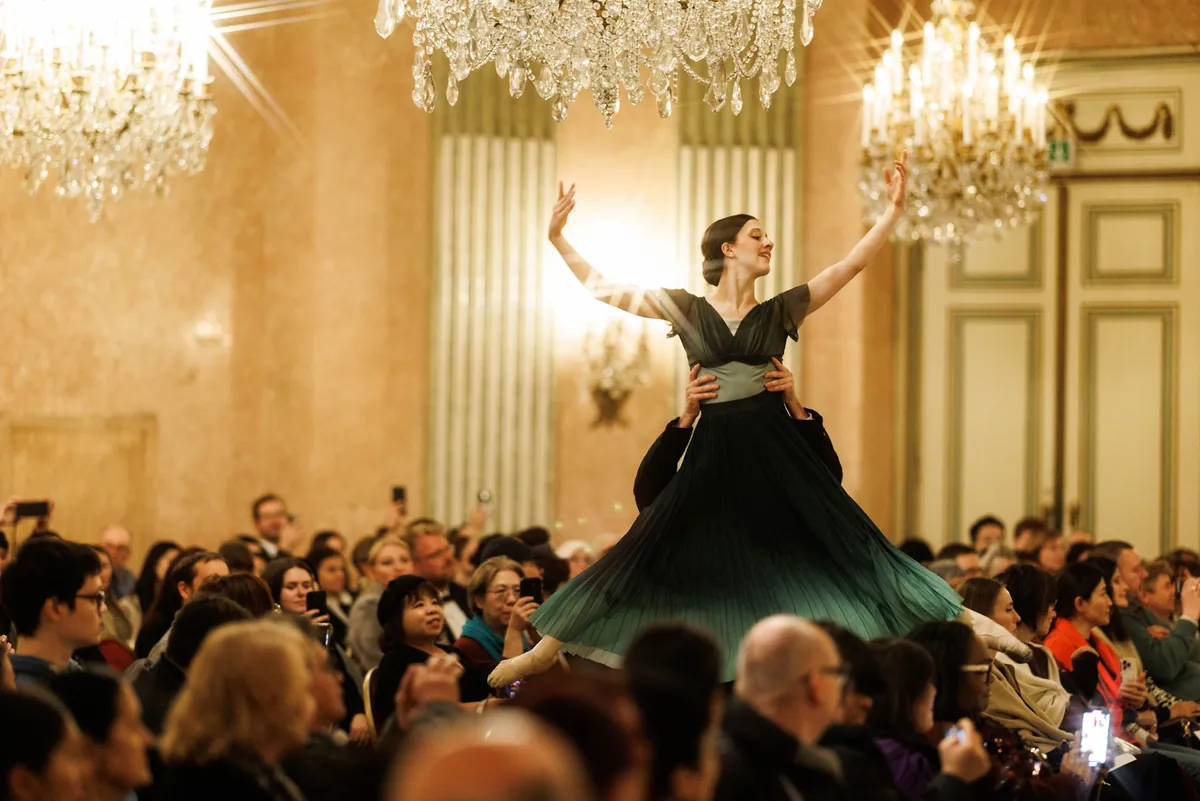
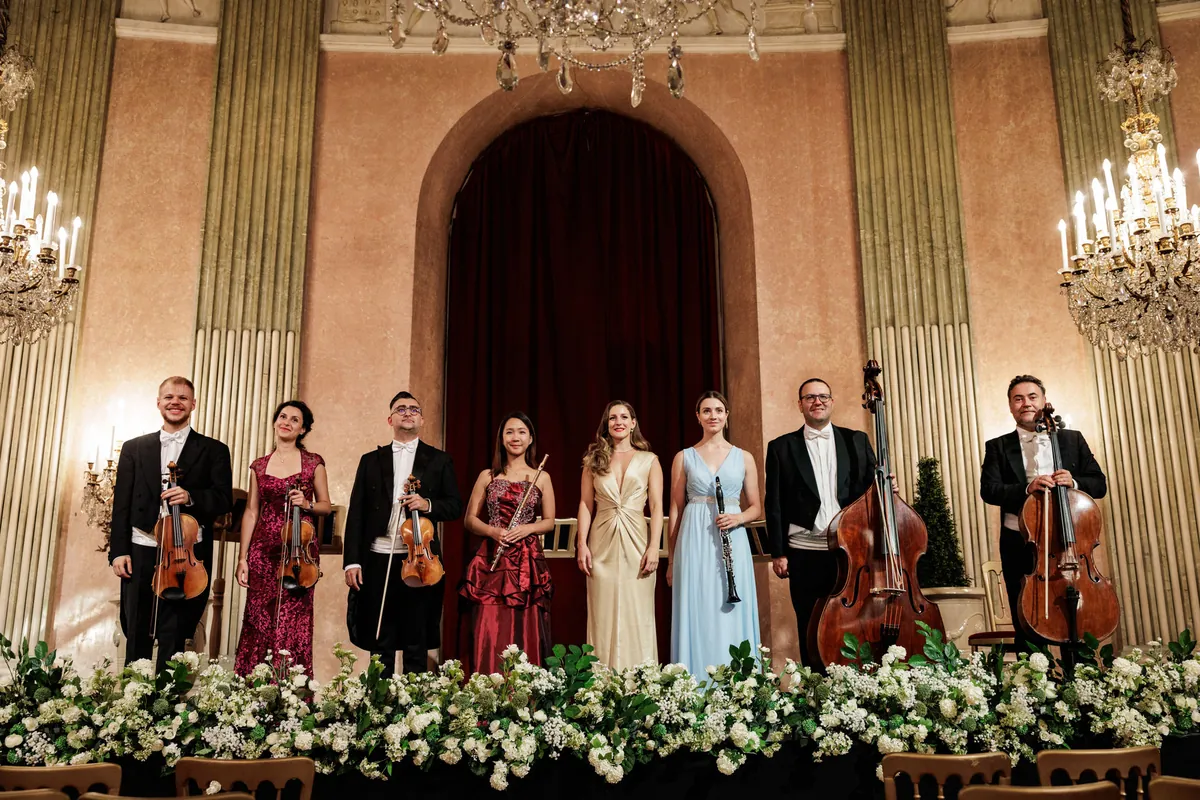
A Baroque hall booked for your party alone, and an orchestra that plays only for you. Mozart and Strauss in the kind of room they were written for, with champagne in the interval.
An afternoon with a ballroom master until the left turn finally works, then the evening itself: gowns, an orchestra, and the ball season as guests rather than spectators.
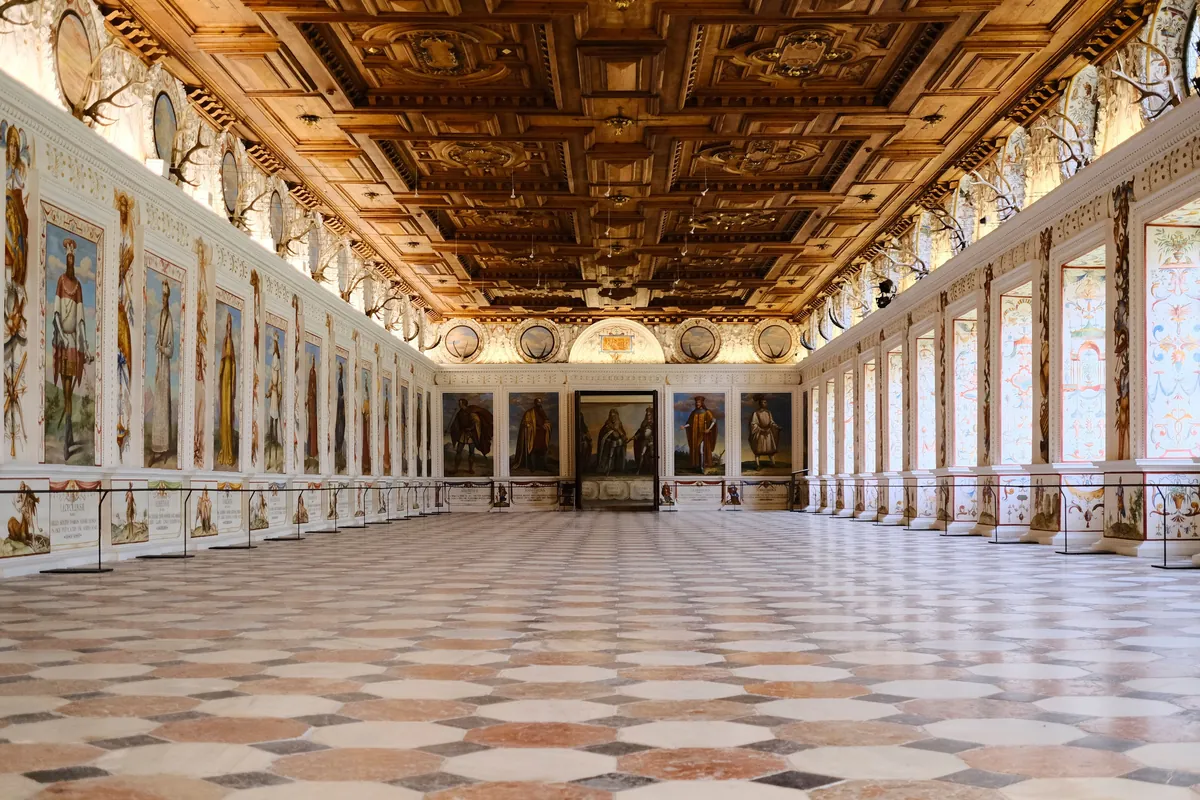
The doors open an hour early and the state rooms are yours. A curator walks you through, the galleries are silent, and the crowd arrives only as you are leaving.