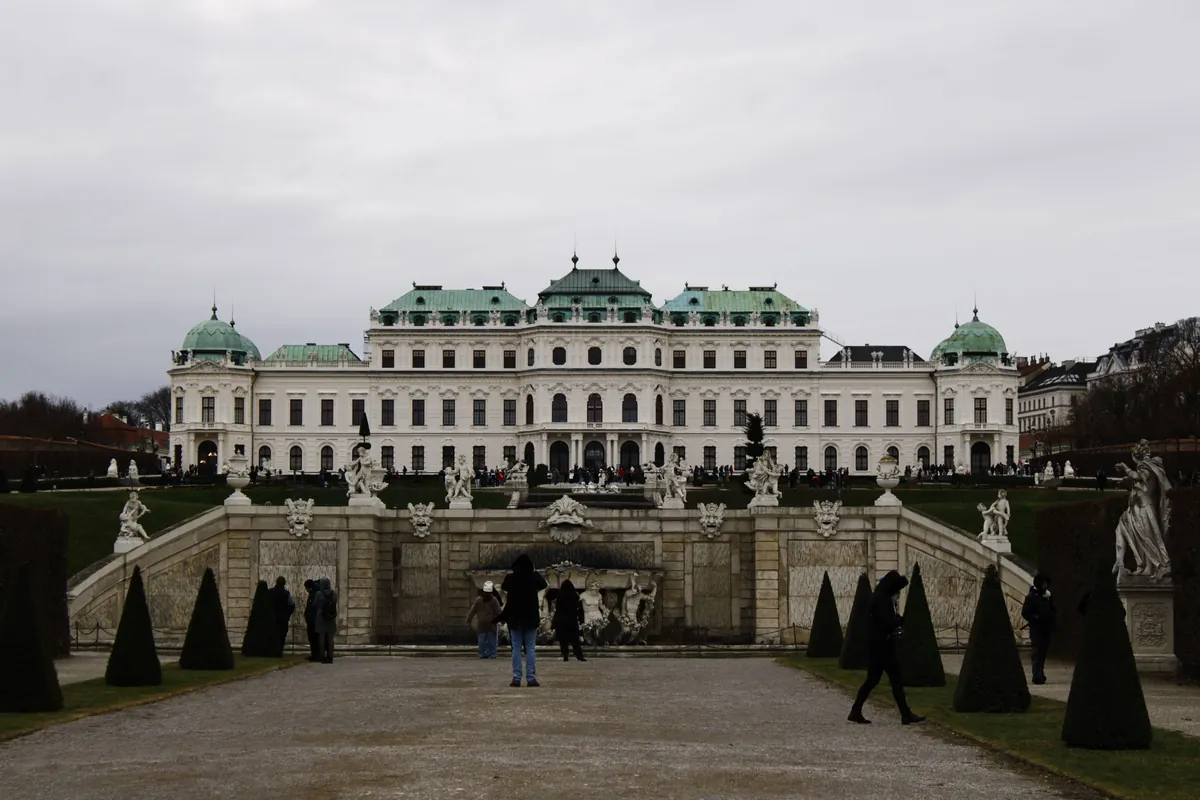



The Belvedere, privately is a Vienna art experience: Klimt's The Kiss without a shoulder in the way, a private art historian, the Baroque gardens on the way in, and time to stand in front of one painting for as long as you like. It is available all year, and Avellera arranges it as part of a tailor-made journey.
By Clemens & Kamilla Sengwein-Réti, Co-Founders
Klimt’s Kiss without a shoulder in the way. A private art historian, the Baroque gardens on the way in, and time to stand in front of one painting for as long as you like.
Private, arranged by Avellera as part of your tailor-made journey
Good to know
Frequently asked questions
Can you see Klimt's The Kiss in Vienna without the crowds?
Yes. With The Belvedere, privately, Avellera pairs you with a private art historian so you can see Klimt's The Kiss without a shoulder in the way. You walk in through the Baroque gardens of the Belvedere, a palace complex in Vienna, and take as long as you like in front of one painting. Avellera arranges the visit within a tailor-made Vienna journey.
When is the best time to visit the Belvedere in Vienna?
The Belvedere, privately is available all year. Spring and summer show the Baroque gardens at their fullest on the way in, while winter keeps the focus on the collection and Klimt's The Kiss. Avellera chooses the time of day with your private art historian so the visit feels unhurried and fits the rest of your days in Vienna.
How do I add a private Belvedere tour to a trip to Vienna?
Tell Avellera your travel dates and wishes, and the Vienna team builds The Belvedere, privately into a private, tailor-made journey through Vienna and Austria, together with hotels, transfers and guides. Tell the team which artists interest you beyond Klimt. Planning is free, and the online planner on avellera.com returns a personal trip idea and PDF right away.
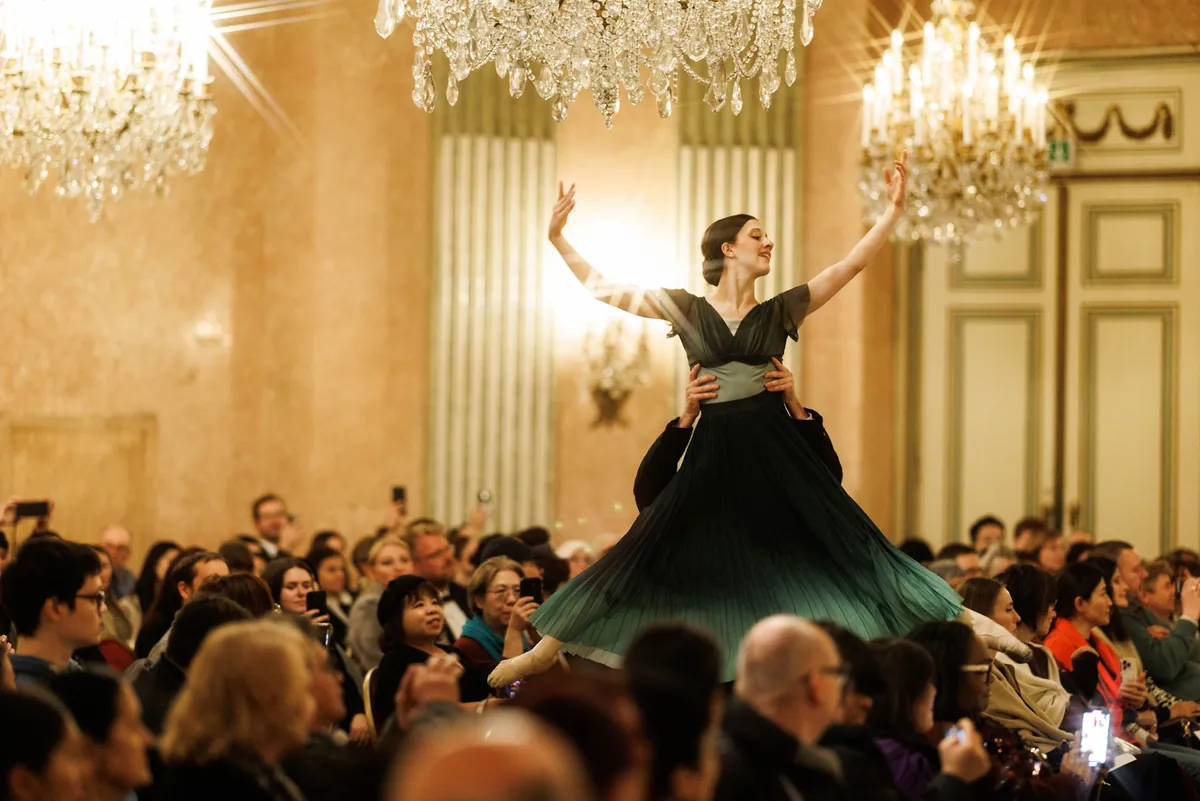
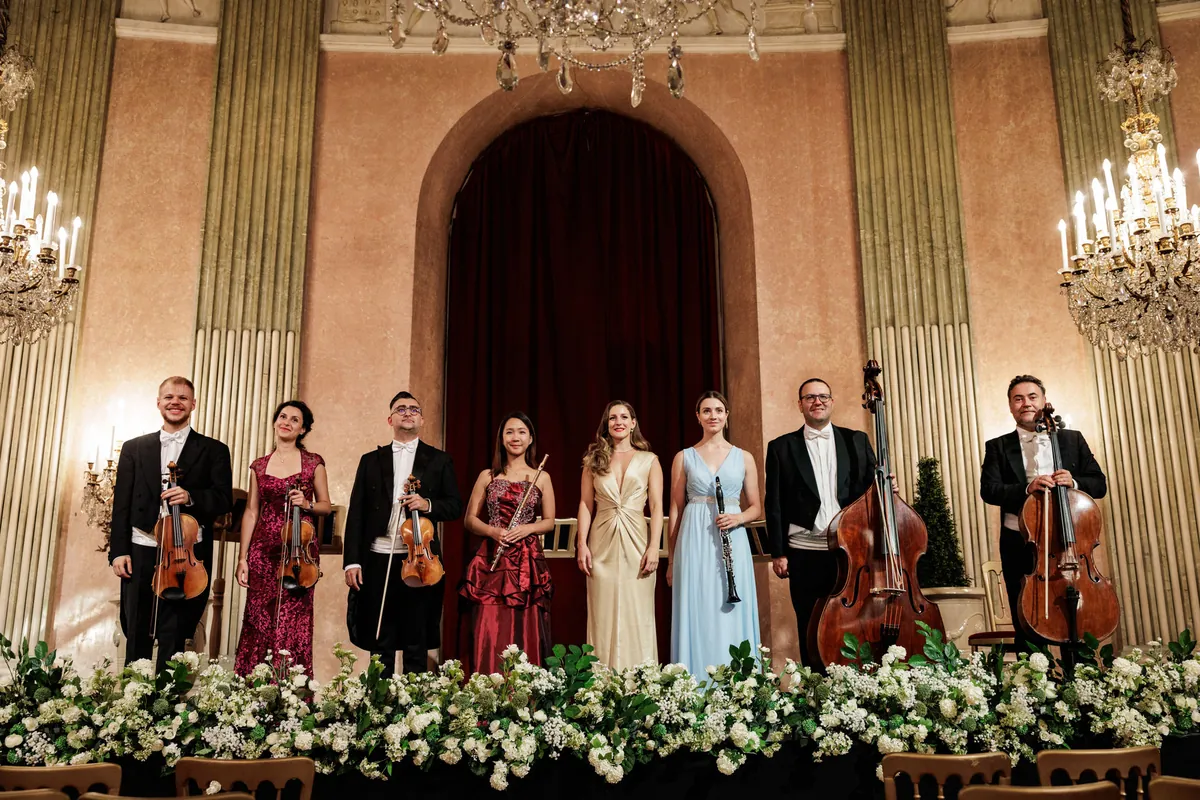
A Baroque hall booked for your party alone, and an orchestra that plays only for you. Mozart and Strauss in the kind of room they were written for, with champagne in the interval.
An afternoon with a ballroom master until the left turn finally works, then the evening itself: gowns, an orchestra, and the ball season as guests rather than spectators.
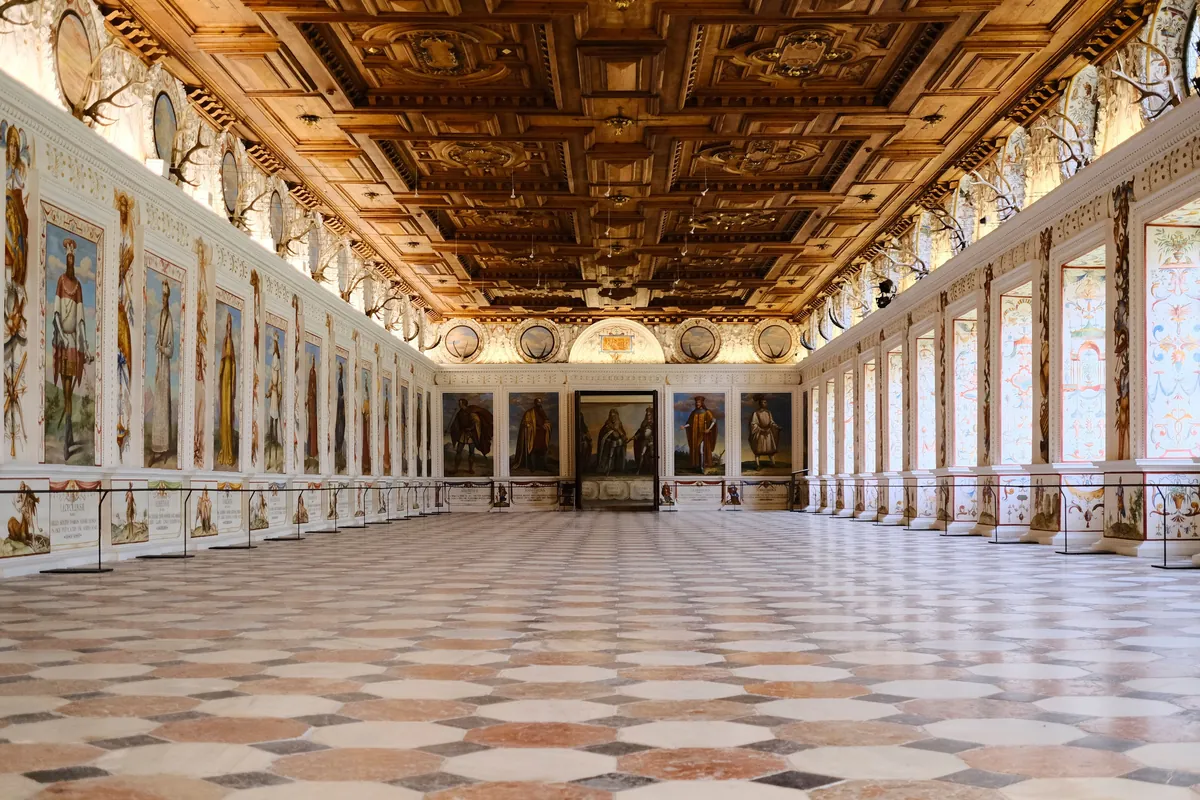
The doors open an hour early and the state rooms are yours. A curator walks you through, the galleries are silent, and the crowd arrives only as you are leaving.