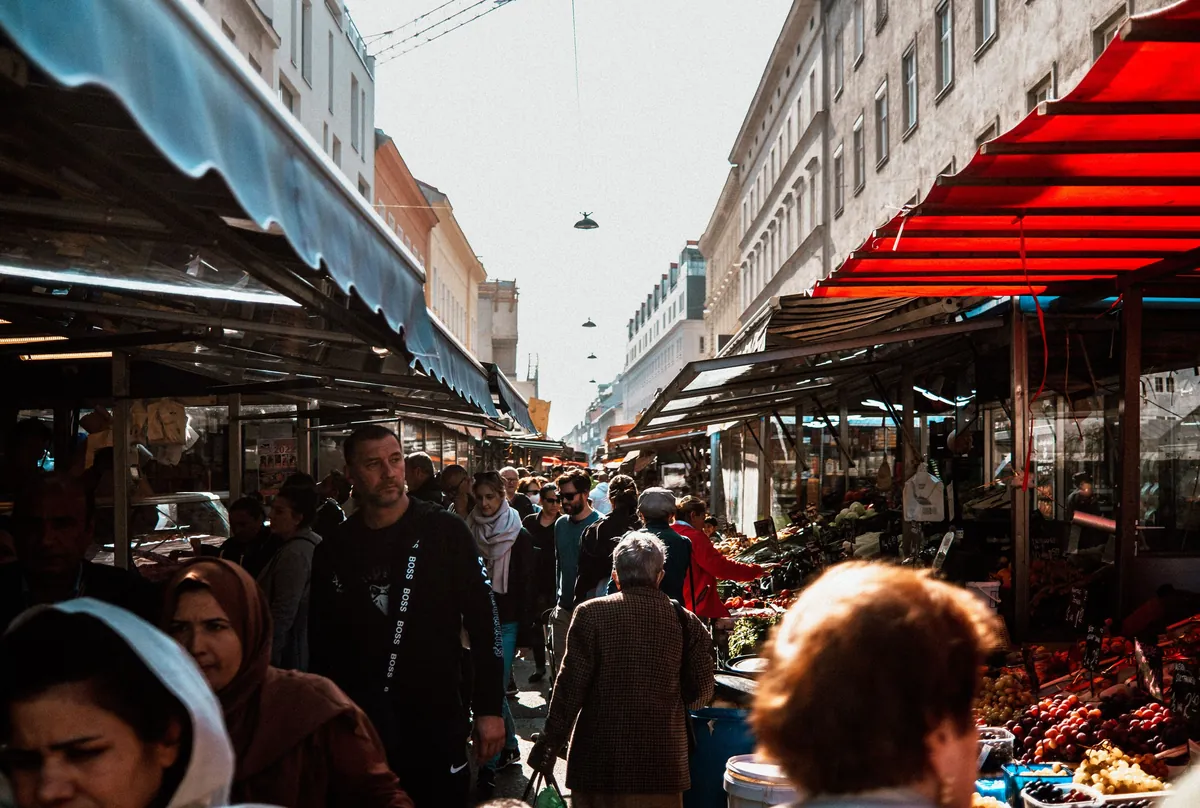

The Markets Viennese people use is a morning in Vienna: Naschmarkt for the theater of it, then Kutschkermarkt and Brunnenmarkt, where the city actually shops. You taste as you go, and lunch is whatever looked best on the way. It is available all year, and Avellera arranges it privately as part of a tailor-made journey.
By Clemens & Kamilla Sengwein-Réti, Co-Founders
Naschmarkt for the theater of it, then Kutschkermarkt and Brunnenmarkt where the city actually shops. You taste as you go, and lunch is whatever looked best on the way.
Private, arranged by Avellera as part of your tailor-made journey
Good to know
Frequently asked questions
Which markets do locals use in Vienna?
Beyond the famous Naschmarkt, locals shop at Kutschkermarkt and Brunnenmarkt. The Markets Viennese people use takes you to all three in one morning: Naschmarkt for the theater of it, then the two neighborhood markets where the city actually buys its food. You taste as you go. Avellera arranges the walk privately as part of a tailor-made Vienna journey.
When is the best time to visit Vienna's markets?
Morning is best, and The Markets Viennese people use is planned as a morning for that reason: stalls are fresh and the locals are shopping. It runs all year, with produce changing by season. Vienna's markets are closed on Sundays, so Avellera schedules the walk on a weekday or Saturday of your stay and lets lunch be whatever looked best on the way.
How do I add a local market tour to a trip to Vienna?
Tell Avellera your travel dates and wishes, and the Vienna team builds The Markets Viennese people use into a private, tailor-made journey through Vienna and Austria, together with hotels, transfers and guides. Mention any food preferences so the tastings suit you. Planning is free, and the online planner on avellera.com returns a personal trip idea and PDF right away.
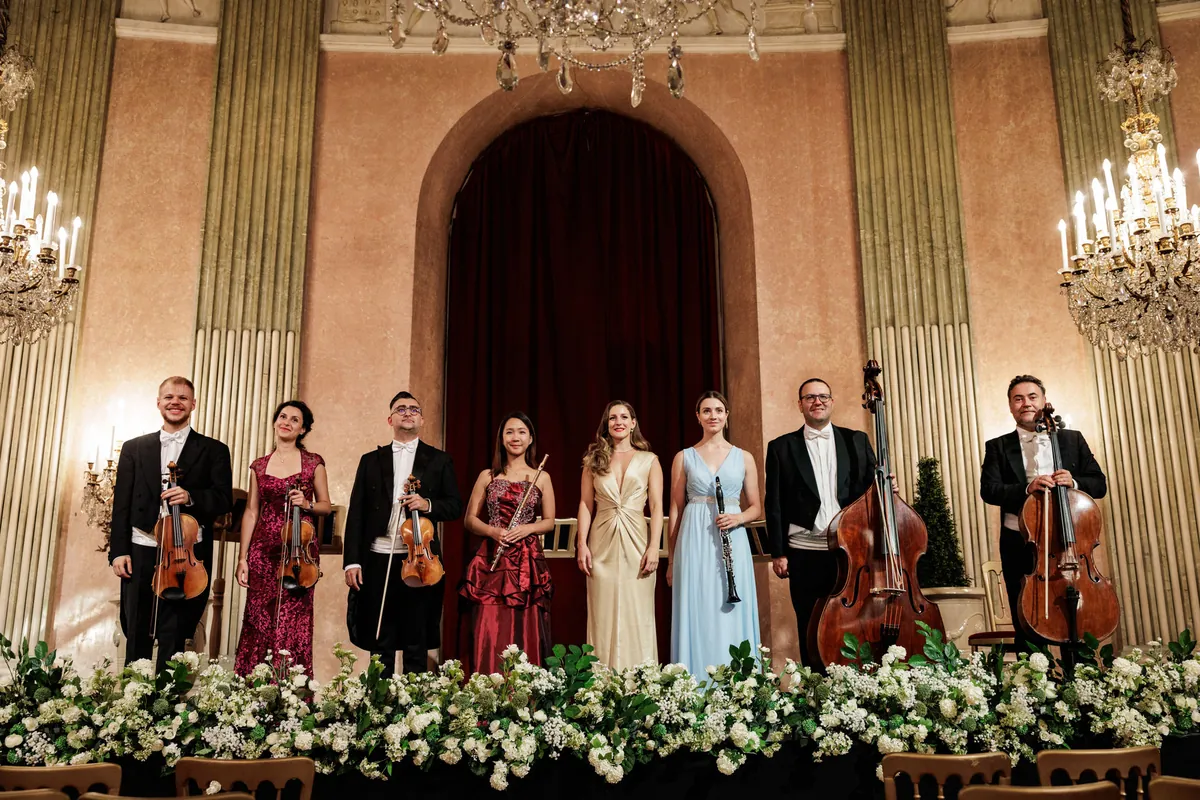
A Baroque hall booked for your party alone, and an orchestra that plays only for you. Mozart and Strauss in the kind of room they were written for, with champagne in the interval.
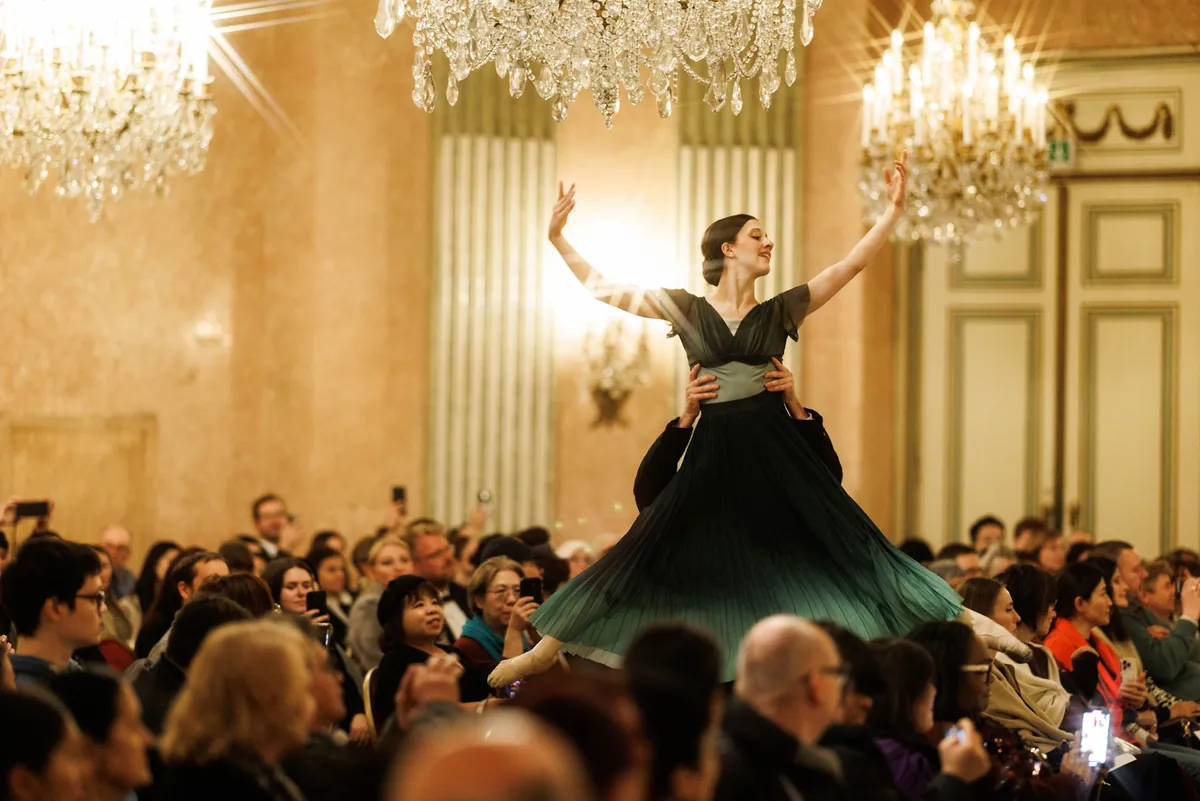
An afternoon with a ballroom master until the left turn finally works, then the evening itself: gowns, an orchestra, and the ball season as guests rather than spectators.
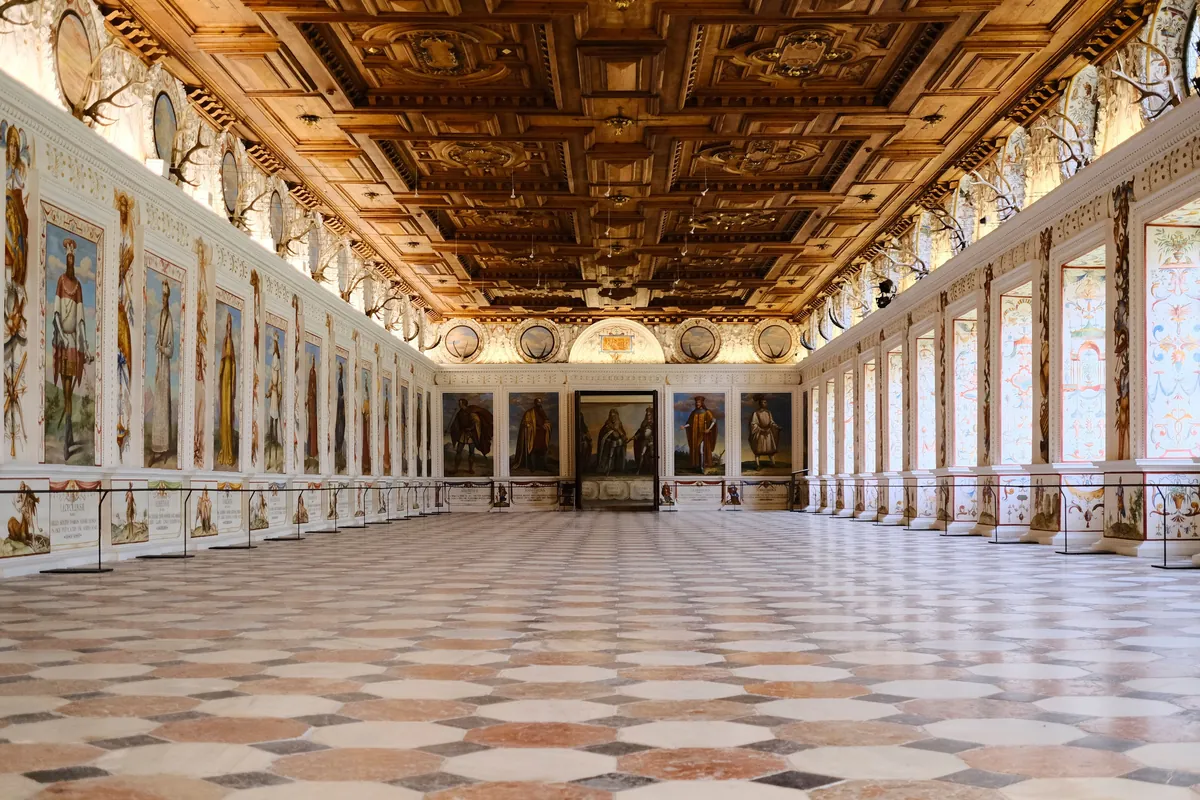
The doors open an hour early and the state rooms are yours. A curator walks you through, the galleries are silent, and the crowd arrives only as you are leaving.