
In short
Glühwein is mulled red wine heated with cinnamon, cloves, star anise and slices of orange and lemon, sometimes sweetened with sugar or honey or strengthened with rum or amaretto. Its roots go back to the Romans, who drank spiced wine with honey in winter. It is called glögg in Scandinavia and vin chaud in France, and Christmas markets serve it in collectible mugs.
When it gets darker earlier and the temperatures slowly drop in many European cities and households the smell of wine, cinnamon and citrus is widespread. This is the smell of Glühwein. A warm winter drink to warm your hands outside on a Christmas market. Or make the starter for a cozy evening with a blanket and a mug of Glühwein on your couch.
The Origins of Glühwein
Glühwein, or mulled wine, is not a new thing. The first mentioned heated up red wine with spices is from the ancient times in the roman empire. The Romans drank it with some honey to warm themselves in cold winters. Due to the expansion of the roman empire the warm winter drink also spread around the European Continent.
Today the most famous name for the mulled wine is the german version: Glühwein, but variations of it are found across Europe: In Scandinavia, it’s known as Glögg; in France, it’s vin chaud; and in the UK, simply “mulled wine.” Each country adds its own twist, whether it’s raisins and almonds in Sweden or ginger in Great Britain.
A Christmas Market Staple
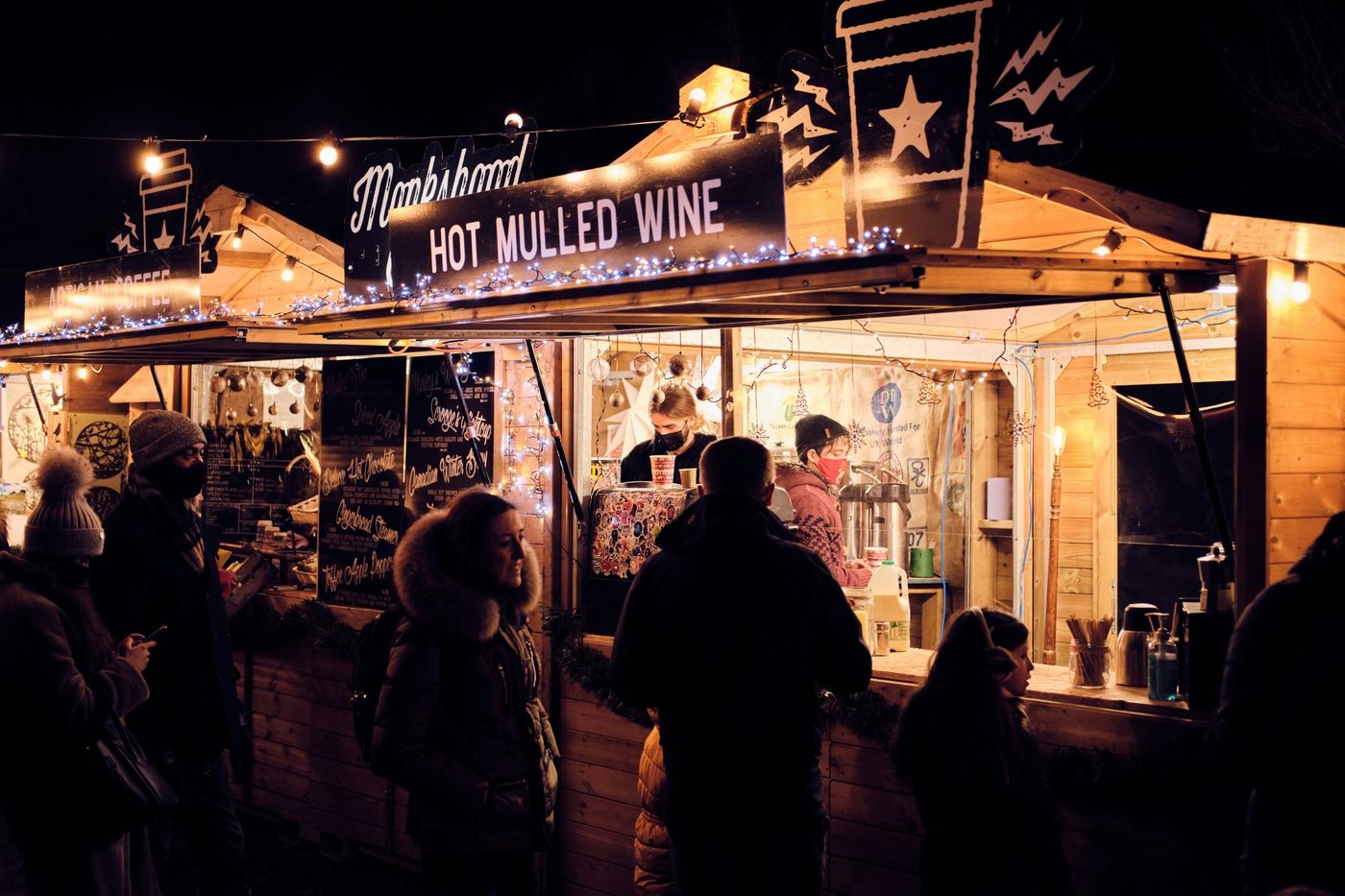
Even if you can make it yourself and drink it at home, the real magic happens when you go and drink it on a Christmas market. Stroll past the wooden stalls adorned with twinkling lights while sipping your Glühwein. Its mostly served in decorative ceramic mugs that double as souvenirs, as they are often redesigned every year.
How to make Glühwein
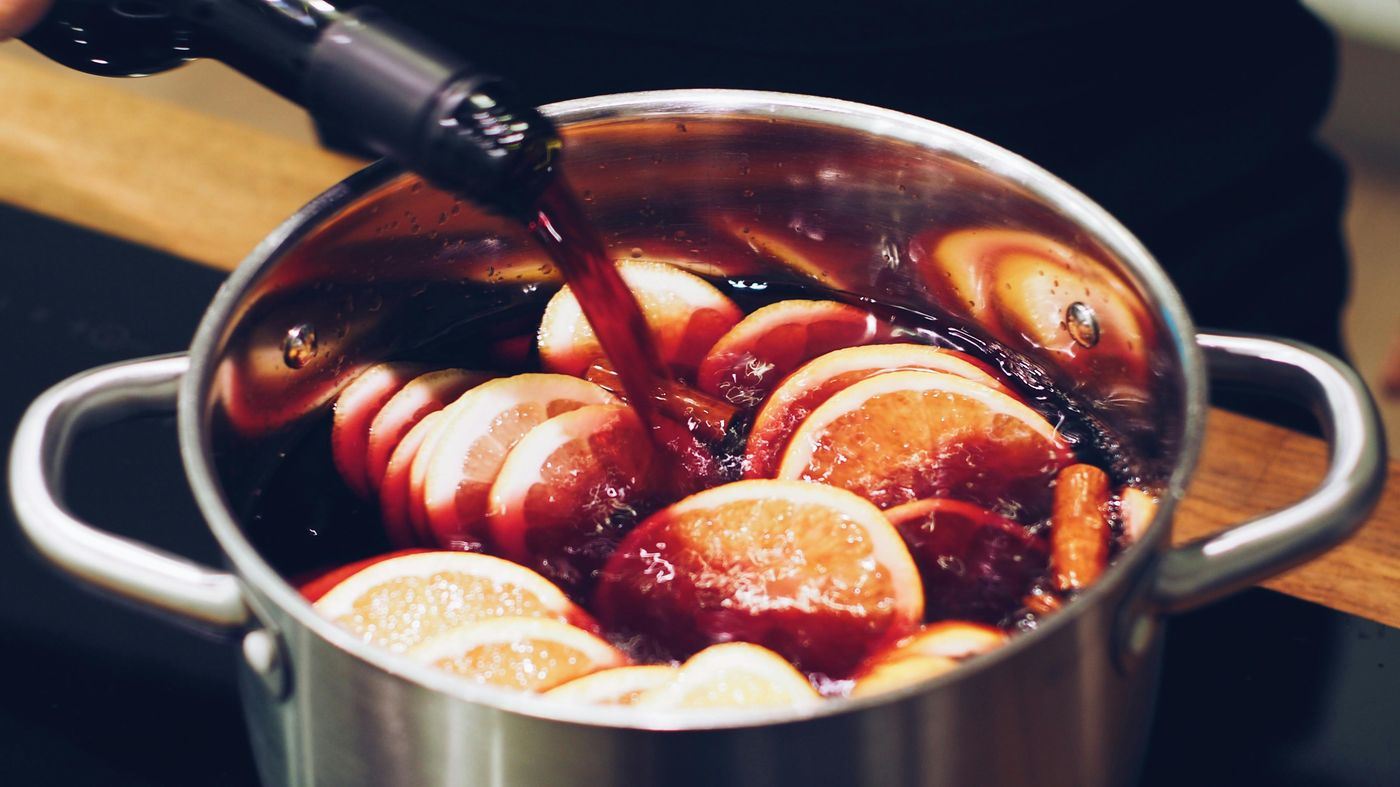
The drink is typically made by heating red wine with spices like cinnamon, cloves, and star anise. Along with slices of orange and lemon in it. Some variations include a touch of sugar or honey to balance the tartness of the wine. While others incorporate stronger spirits such as rum or amaretto for an extra kick.
Nowadays there are also variants with white wine or drinks like “hot hugo”, but the traditional one is the red one.
Beyond the Borders
Glühwein embodies the warmth, togetherness, and joy of the Christmas and winter season. Its deep red hue mirrors the traditional colors of the holiday. Sharing a mug of Glühwein is as much about the experience, a moment to pause, connect, and celebrate togetherness.
Today the tradition of Glühwein transcends its European origins, with Christmas markets spreading also in North America and beyond. Yet, it’s different enjoying it in the charm of European Cities.
So next time when you take a sip of mulled wine, let’s warm your hands, your whole body and let in the feeling of winter, holidays and thoughtfulness.